Electric motorcycles are putting software at the center of the vehicle
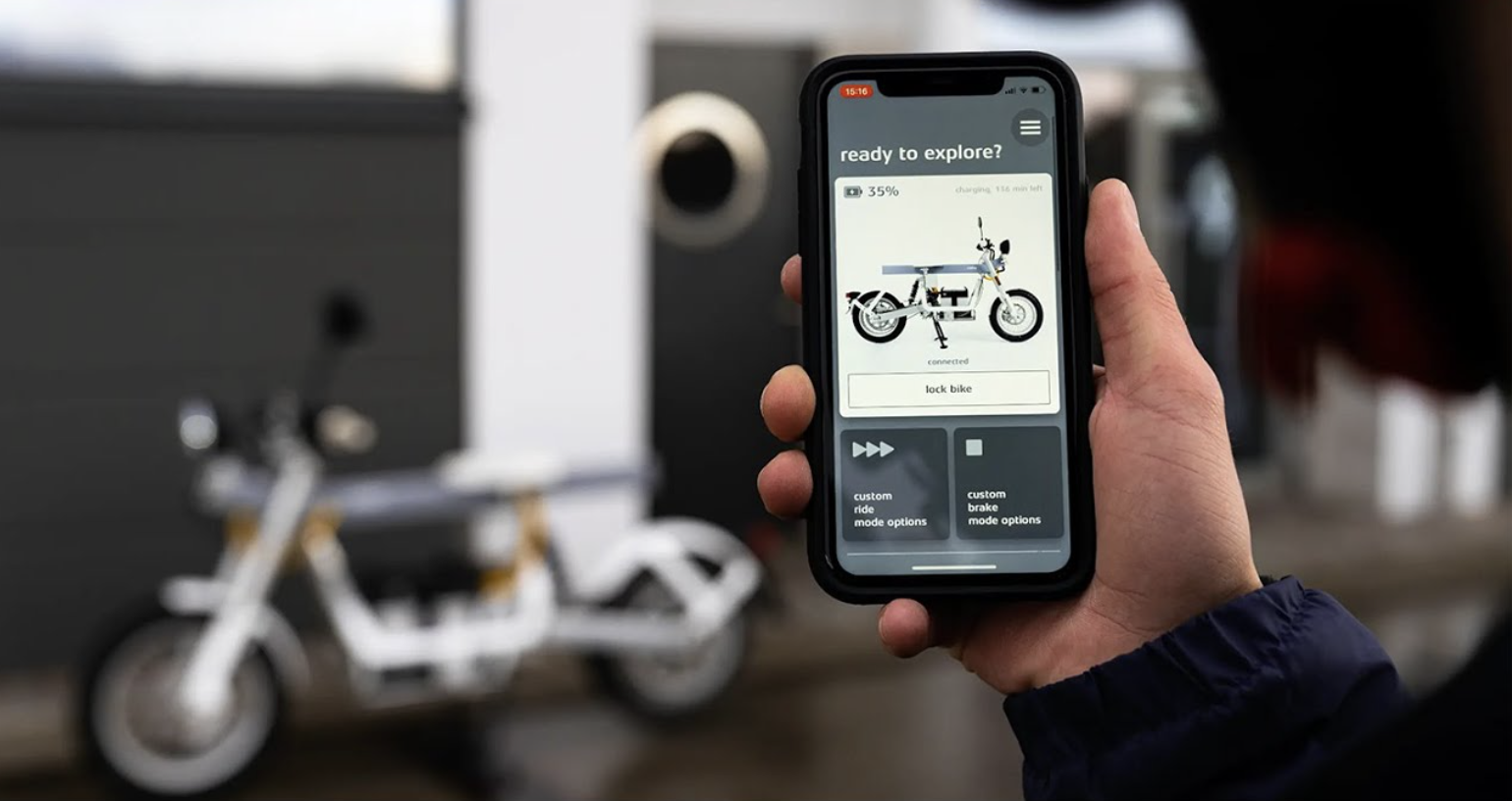
For most of its history, the motorcycle has been a deeply mechanical object. Think horsepower, torque, top speed. With the rise of electric motorcycles, software is becoming a clear differentiator in an abundance of hardware upgrades.
In 2021, CAKE launched one of the first connected motorbikes, equipped with Comodule's Internet of Things (IoT) technology and a rider app. It was groundbreaking at the time, and it shifted the industry. Since then, a growing number of motorcycle brands have turned to us to make their vehicles smart.
The riding experience is going digital
Many electric motorcycles and mopeds now ship with an app and built-in connectivity. Here's where it's making the biggest difference:
Theft protection. Motorcycles are an attractive theft target. Real-time GPS tracking and remote immobilization are becoming as important a purchase decision as horsepower.
The digital nervous system for batteries. Range, charge cycles, thermal behavior - none of that is visible without connectivity. As battery packs get more sophisticated, the software layer managing them becomes more important.
Over-the-air (OTA) updates for efficiency. A connected motorcycle can get safer and faster after it leaves the factory. Predictive diagnostics and OTA updates let manufacturers and fleet operators catch problems before they become breakdowns, extending vehicles' life on the road while cutting service costs.
Seamless user experience. Car keys already live in phone wallets. Riders expect the same convenience from their bikes.
Innovative brands are using IoT in many different ways. TechCrunch reported that Indian electric motorcycle maker Ultraviolette, fresh off a $21 million raise, builds connectivity and predictive maintenance into every bike, with an app that can flag something as small as a chain needing lubrication.
Electrek covered Segway's new 60 mph electric dirt bike, noting that GPS tracking, geofencing, and OTA updates, features once reserved for premium vehicles, are now standard for them.
And Verge Motorcycles has built its entire product story around Starmatter, a software platform the company calls the bike's digital ecosystem, bundling OTA updates, sensors, and AI into the core experience rather than treating them as an accessory.
Digitalization is also on the radar for legacy brands. BMW now ships a 6.5-inch connected TFT display as standard across virtually its entire 2026 range.
Speeding up innovation for the moto industry
Not every motorcycle brand needs to build its own IoT stack. It's expensive and slow to do it in-house. Offloading the build keeps your engineers on the vehicle, not on the cloud. That's where Comodule comes in.
Comodule has connected 850 000 e-bikes and scooters worldwide to date. We've spent a decade building the hardware, firmware, cloud infrastructure, and app that make light electric vehicles smart, safe, and seamless.
Along the way, we learned what actually matters when you put an internet connection on something people ride: reliable positioning, connectivity that survives a rainstorm and a pothole (uptime of 99%), anti-theft that riders actually trust, and an app experience that feels like part of the vehicle.
Leading the same innovation in the motorcycle industry is a natural step for us. Electric motorcycles need that same foundation, just with more battery to monitor, more range to manage, and more value to protect against theft.
The shift from a purely mechanical machine to a connected platform is the biggest thing happening in powersports right now, and Comodule is ready to reshape how people think about two-wheeled transport.
Want to talk about connecting your fleet? Our team will be in Milan for EICMA on November 2-5. We’re happy to meet you there or online.