Most motorcycles & mopeds go offline when the rider walks away
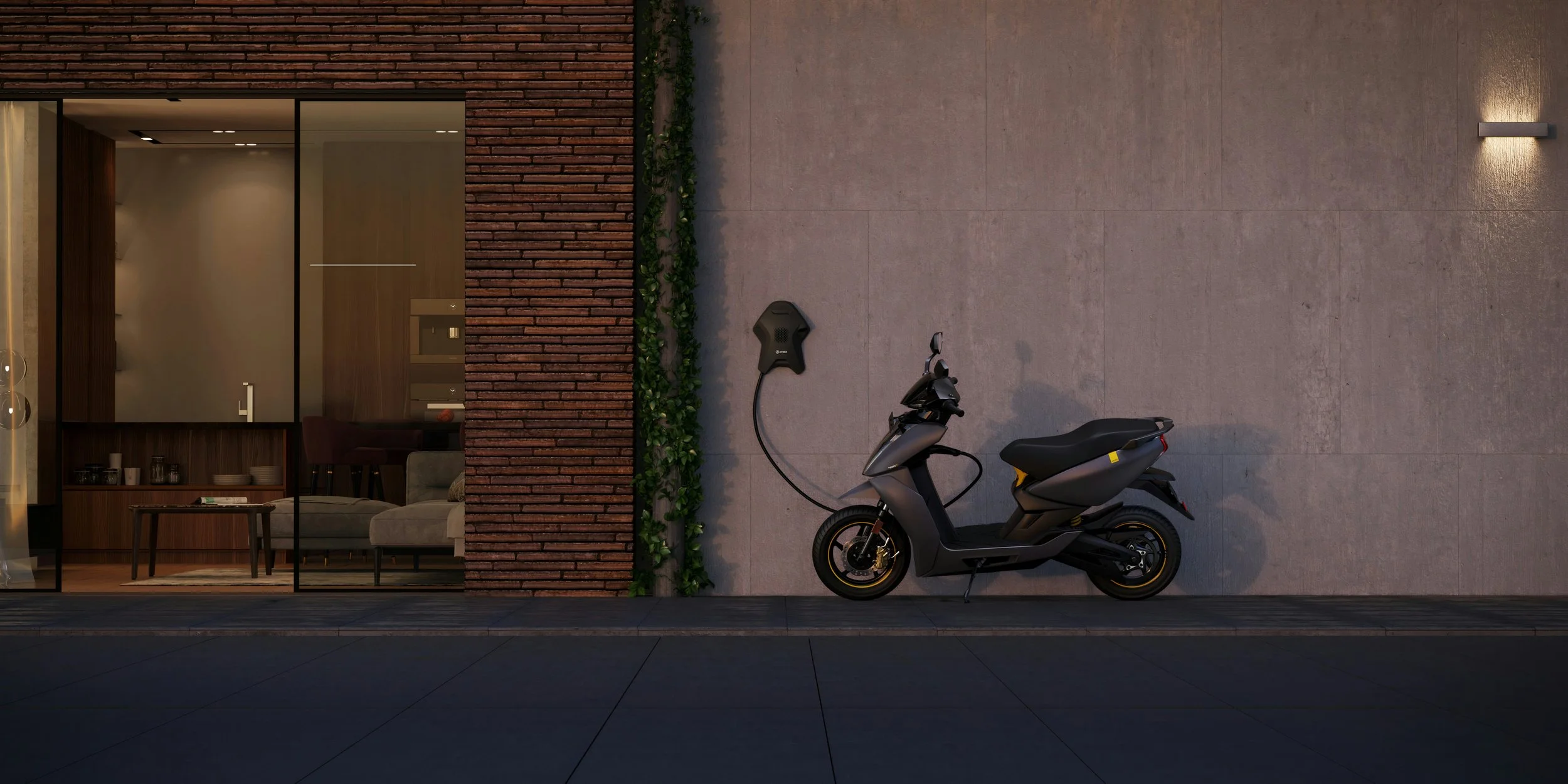
Most motorcycle and moped brands now have an app. You pair your phone, get navigation on the dash, and take calls through the helmet. But the moment you park and walk off, the bike drops off the map. The rider has no idea where it is, how the battery is doing, or whether someone is loading it into a van.
Cars stopped working this way a long time ago. In 2025, 83% of new cars sold worldwide came with built-in connectivity.
We wanted to know the reality of digitalization for two-wheelers. So we looked at 80 motorcycle and moped brands one by one, and this is what we found.
The established brands have the most room to move
About 4 in 5 of the motorcycle brands we looked at have an app, but only about 1 in 5 make always-on connectivity standard, and all of them are electric. None of the established manufacturers offer it across their range. Where it does exist, it’s usually kept for flagship models or the brand’s electric scooter.
What surprised us more is that going electric hasn't really changed this. Several major manufacturers have launched electric models recently, and most still rely on a Bluetooth link to the rider's phone. The app remembers where you parked, not where the bike is now. If someone moves it, it still shows the old location.
Meanwhile, riders are sorting it out themselves. Berg Insight counted 17.2 million two-wheelers with aftermarket trackers at the end of 2024, slightly more than the 16.7 million with factory-fitted systems. In the UK, a tracker costs £189 on average, plus a subscription. Riders are clearly willing to pay for added security.
The newcomers have raised the bar
Of the 56 electric brands in our analysis, 34 offer cellular connectivity on at least some of their models, and 16 make it standard across the range. Ultraviolette has equipped its F77 with built-in 4G for remote tracking and over-the-air updates. GR1T launched with 4G connectivity, a digital key and GPS tracking built in from day one.
It isn't only the premium end, either. Luyuan, a mass-market scooter maker, offers 4G remote unlock, geofencing, over-the-air updates and fall detection that sends the bike’s location to emergency contacts on its connected models. In Mexico, budget brand Italika now sells models with factory GPS for theft recovery.
The rest of the market is starting to follow. Berg Insight expects 59.7 million factory-connected two-wheelers by 2029, more than three times the 2024 figure.
Theft is still the big one
In the US alone, thieves stole 44,564 motorcycles in 2025, and only 41% made it back to their owners. Most recoveries happen in the first two weeks, and after that the odds drop quickly. A bike that reports its own location in real time gives owners and the police a much better chance in that window. The same applies to fleets running moped and motorcycle rental or delivery.
A lot of brands are piecing it together
Some manufacturers have added connectivity by combining parts from different suppliers: a tracker from one company, a SIM from another, an app from a third. We've seen factory-fitted aftermarket trackers, insurance telematics boxes, and telecom IoT packages all doing the job.
That can work for a while. The trouble starts when something goes wrong, and nobody is quite sure whose problem it is, or when you need to prove the whole setup is secure.
Where Comodule comes in
We've spent more than a decade connecting e-bikes and e-scooters, and motorcycles today look a lot like where that industry was a few years back. In 2021, CAKE launched one of the first connected electric motorbikes, built on Comodule’s IoT platform. It showed what a connected motorcycle could be from day one, and the newer brands in our analysis are now making that the norm.
Bike development takes years, so the models arriving in 2028 are being specified now. The connectivity decisions made this year will shape what those bikes can do.
Comodule has connected 850 000 vehicles globally, from premium e-bikes to shared fleets, and our services run at 99.9% uptime. We designed our hardware for two-wheelers, so it sits somewhere between expensive car-grade telematics and off-the-shelf trackers you can't really make your own. We can adapt it to a new bike in weeks.
If you're working out connectivity for your next model, we'd be happy to talk it through. Get in touch.