90% of alerted theft attempts are stopped for Christiania Bikes
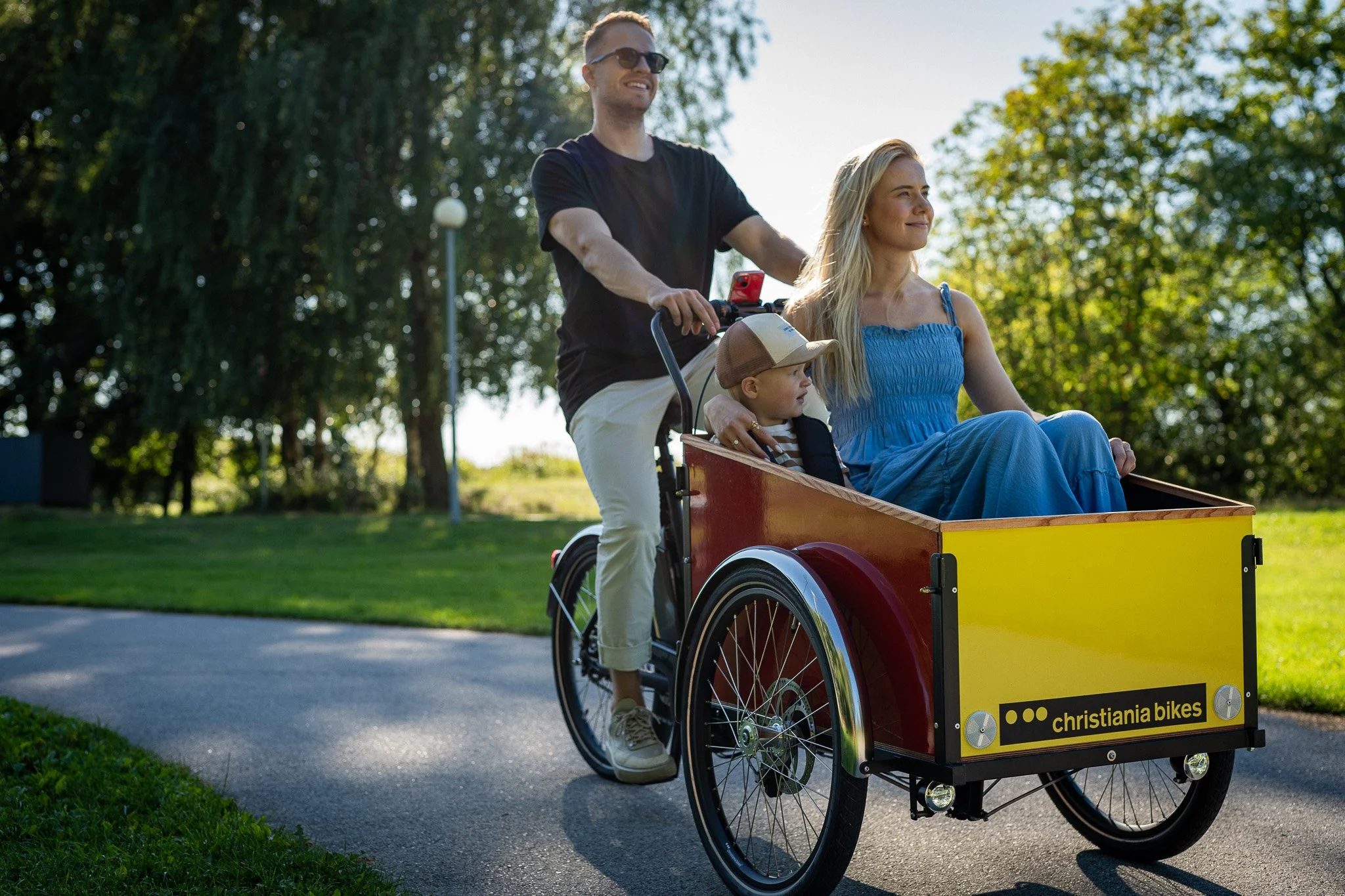
Copenhagen-based Christiania Bikes is facing the same issue as many other e-bike companies - the bikes are an attractive target for thieves. Statistics show that roughly one in five Copenhageners had a bicycle stolen within the previous year. Several studies say e-bikes are up to three times more likely to be stolen compared to regular bikes, largely because of their higher resale value. For cargo bikes specifically, often parked outside shops, daycare centers, and apartment blocks for hours at a time, that risk is even more imminent for owners.
While insurance can cover the costs, bike theft is still a massive headache for many families, disrupting their daily lives. That's why Christiania Bikes decided to tackle the problem at the source: with connectivity.
Smart solutions only help when activated by riders
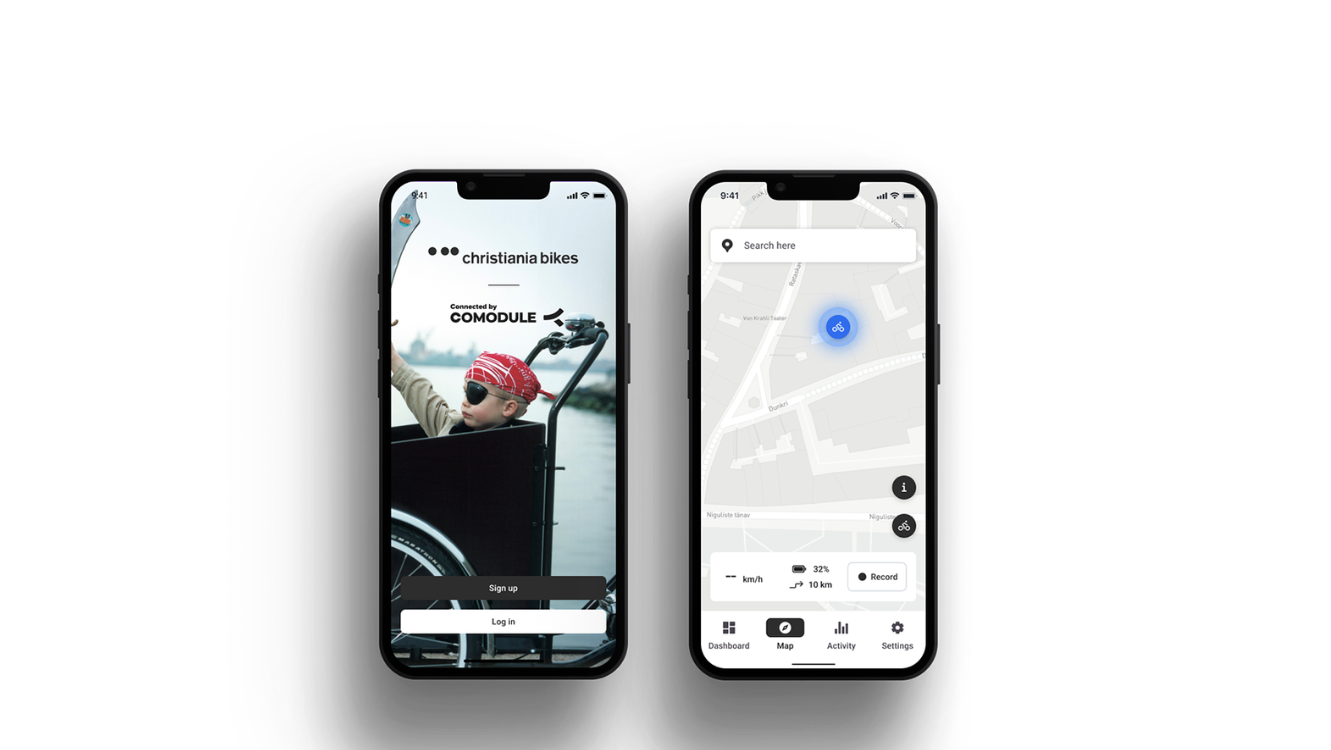
A sturdy lock or two is still step one in bike security. But locks alone can't tell you where your bike went once it's gone. That's where connectivity comes in. Christiania Bikes has partnered with Comodule to build IoT connectivity directly into its e-cargo bikes.
Through the Christiania Bikes app, riders can see their bike's exact location, lock it digitally, and get an alert if it's moved without permission. If the bike does get taken, the same app lets the owner track it in real time. If it's locked when stolen, the system can suppress electrical assist, making the bike essentially useless.
It's a strong layer of protection on paper. Around 35% of Christiania e-cargo bikes on the road today are already equipped with this digital layer of security. But connectivity only works if it's activated, and many bike owners never actually pair their bike with the app. Closing that activation gap is as much a part of the theft-prevention story as the technology itself.
The bike is stolen, now what?
If a bike's connectivity has been activated, recovery is no longer a matter of luck. The owner can pull up the bike's exact GPS location in the app with a few clicks and share it directly with the police.
According to Comodule’s statistics, 90% of Christiania e-bike owners who received a movement alert on their phone (while the bike was locked) managed to prevent theft or recover their bike when it went missing. It's the clearest argument yet for why connectivity belongs on cargo bikes, not just as a nice-to-have feature, but as core theft protection. But again, it only helps when activated.
What this means for the e-bike industry
Christiania Bikes' situation reflects a broader shift already underway in cycling: bikes are becoming connected products, not just mechanical ones. As cargo bikes take on more of the load previously carried by cars, the case for building in security only gets stronger.
The technology is there. The next challenge for the industry is to make sure the digital security layer riders already have gets switched on. And that can only happen with collective effort from bike brands, bike dealers, repair shops, or a knowledgeable friend who can help set it up.